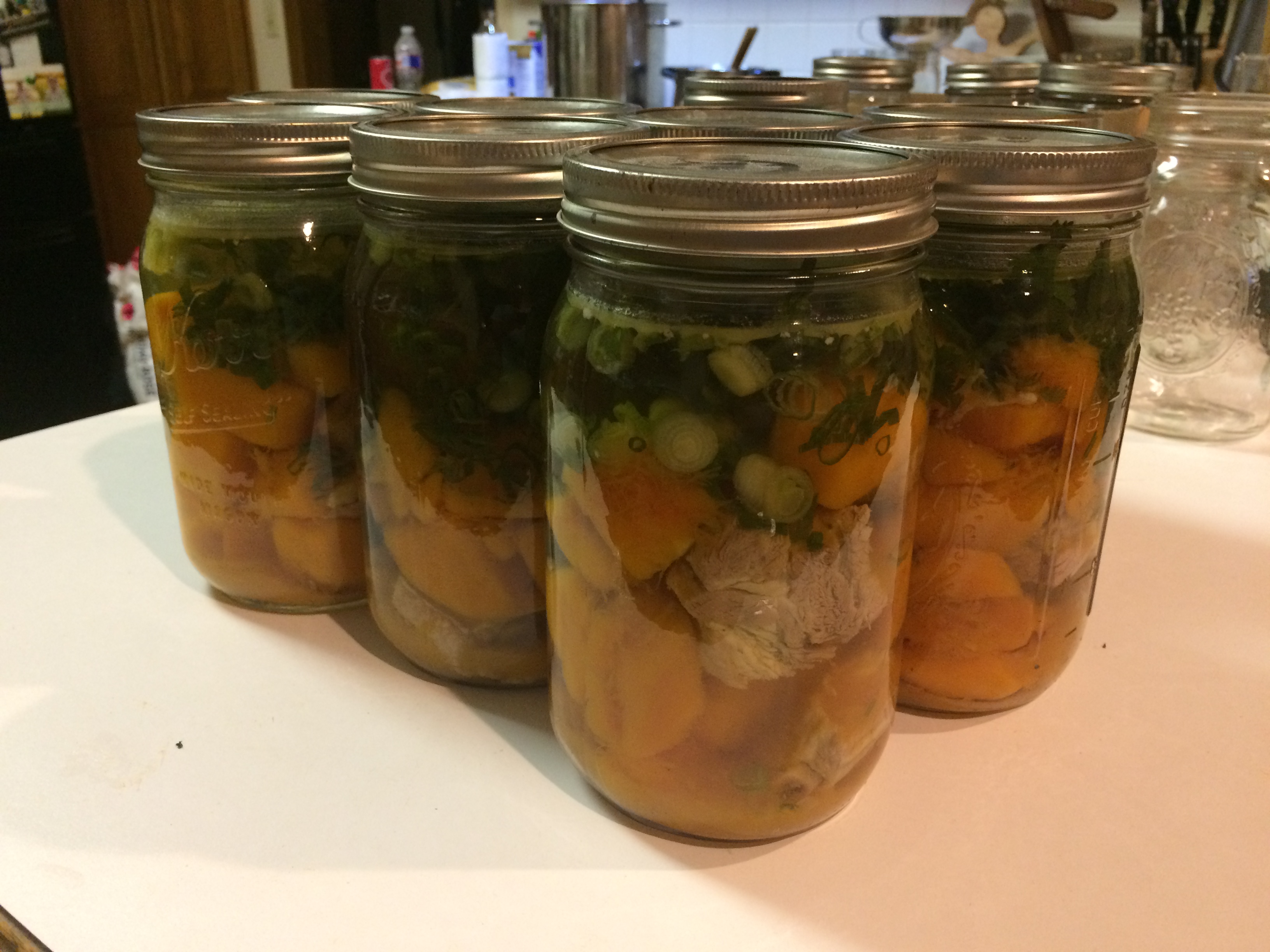
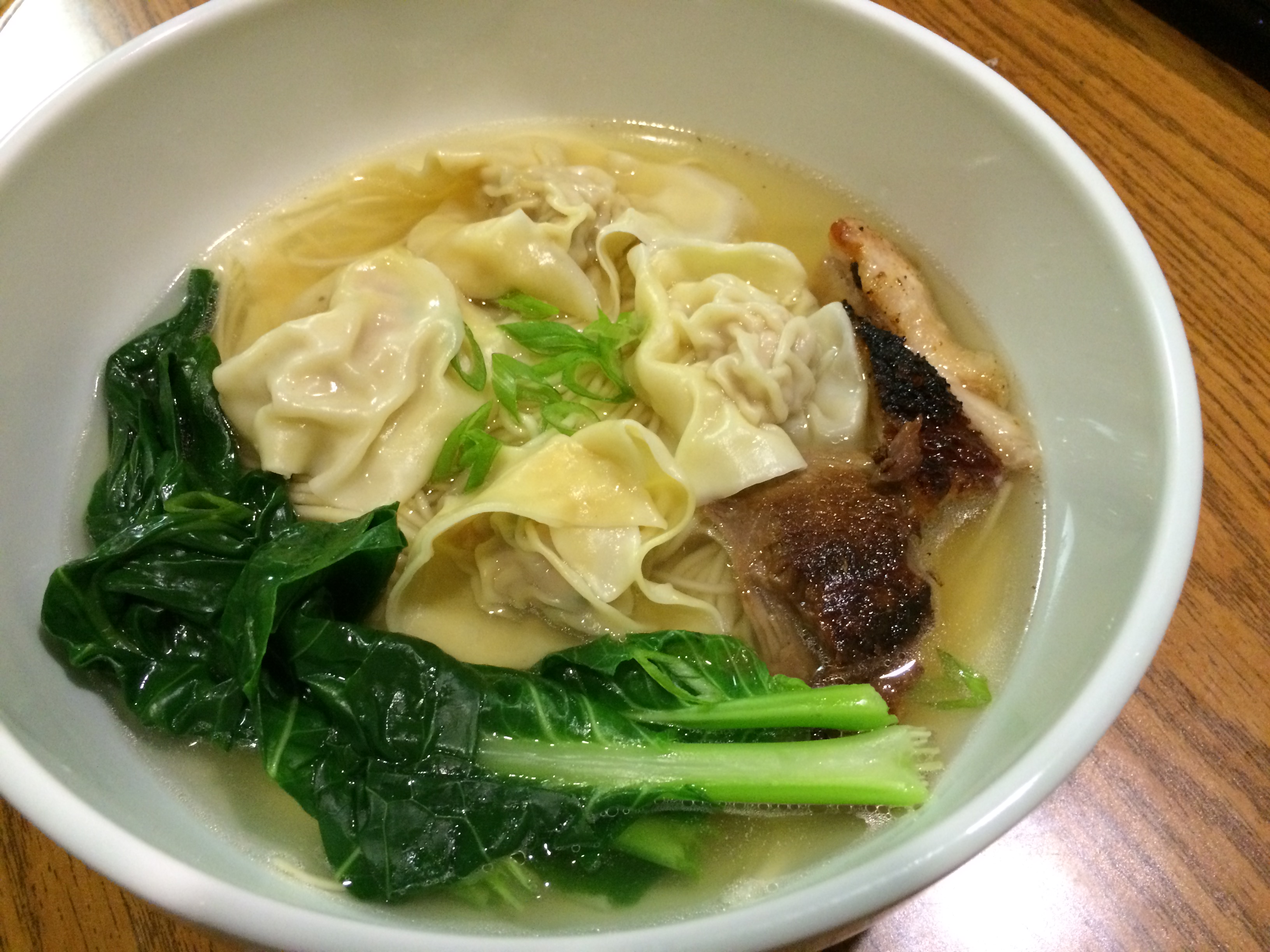
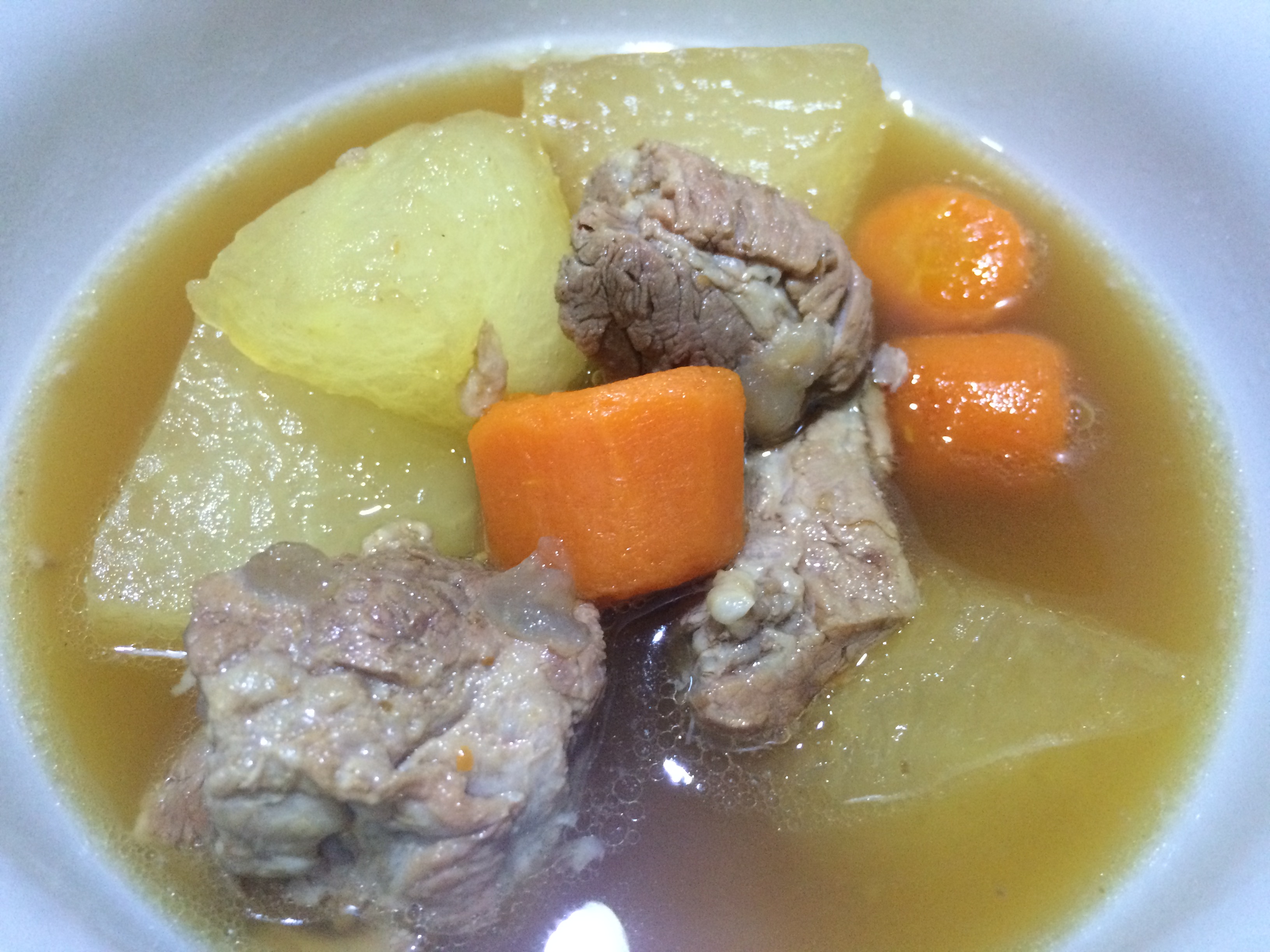
How do I start to explain why I wanted to make this dish? I discovered this dish while watching “the mind of a chef” to relax after a busy day. I also missed out on the opportunity to travel to Japan for a special assignment, so I wanted to bring Japan to me. Season one of the tv series focus on David Chang of Momofuku and I was amazed with how Japanese craved ramen. Furthermore, I wanted to treat my friends for helping me with preparing for Labor Day Retreat.
Most kids in the states have at least eaten Top Ramen once. The Japanese people take the ramen to next level and is very serious about it. The ingredients is quite simple, but it requires time and love. I hope my efforts to reproduce the noodles will not disrespect the ramen lovers in Japan.
Ingredients:
Two 3X6 inch pieces of konbu (dried kelp, find this at Asian markets)
6 quarts of water (use at least an 8-quart stock pot)
2 cups dried shiitakes, rinsed well (clean them good, or you’ll end up with a scummy broth)
4 pounds free-range chicken, either a whole bird or legs
5 pounds pork neck bones
1 pound smoky bacon
1 bunch scallions
1 medium onion, cut in half
2 large carrots, peeled and roughly chopped
Taré
Broth Instructions:
Rinse the konbu under running water, then combine it with the water in an 8-quart stockpot. Bring the water to a simmer over high heat and turn off the heat. Let steep for 10 minutes.
Remove the konbu from the pot and add the shiitakes. Turn the heat back up to high and bring the water to a boil, then turn the heat down so the liquid simmers gently. Simmer for 30 minutes, until the mushrooms are plumped and re-hydrated and have lent the broth their color and aroma.
Heat the oven to 400°F.
Remove the mushrooms from the pot with a spider or slotted spoon. Add the chicken to the pot. Keep the liquid at a gentle simmer, with bubbles lazily and occasionally breaking the surface. Skim and discard any froth, foam, or fat that rises to the surface of the broth while the chicken is simmering, and replenish the water as necessary to keep the chicken covered. After about 1 hour, test the chicken: the meat should pull away from the bones easily. If it doesn’t, simmer until that’s the case and then remove the chicken from the pot with a spider or slotted spoon. (After I let the chicken cool off, I shredded all the meat to save for future use and tossed the bones in the freezer to make a future chicken stock)
While the chicken is simmering, put the pork bones on a baking sheet or in a roasting pan and slide them into the oven to brown for an hour; turn them over after about 30 minutes to ensure even browning.
Remove the chicken from the pot and add the roasted bones to the broth, along with the bacon. Adjust the heat as necessary to keep the broth at a steady simmer; skim the scum and replenish the water as needed. After 45 minutes, fish out the bacon and discard it. Then gently simmer the pork bones for 6 to 7 hours—as much time as your schedule allows. Stop adding water to replenish the pot after hour 5 or so.
Add the scallions, onion and carrots to the pot and simmer for the final 45 minutes.
Remove and discard the spent bones and vegetables. Pass the broth through a strainer lined with cheesecloth. You can use the broth at this point, or, if you’re making it in advance and want to save on storage space, you can do what Momofuku does: return it to the pot and reduce it by half over high heat, then portion out the concentrated broth into containers. It keeps for a couple of days in the refrigerator and up to a few months in the freezer. When you want to use it, dilute it with an equal measure of water and reheat it on the stove.
In either case, finish the broth by seasoning it to taste with taré – or – 2 or 3 tablespoons of combined kosher salt, soy sauce and mirin, per quart. Taste it and add more seasoning to get it right. It should be very seasoned, almost too salty. Under-seasoned broth is a crime. I made a seasoning mix of salt, soy sauce and mirin to season the entire 5 quarts I ended up with, but you may have to add additional seasoning after the broth “sits” overnight.
Photographer: Christine Lang
Adaptation: http://foodnwhine.com/2013/01/08/momofuku-ramen-broth/